
If you’ve ever slathered on a “natural” face mask only to wake up with red, irritated skin, you’re not alone. I learned this the hard way after brewing my own DIY seaweed serum using wild-harvested kelp from a questionable beach—turns out, not all seaweed underwater plants are created equal. Today, organic seaweed is trending in clean beauty circles for its mineral-rich profile and skin-soothing properties, but misinformation abounds. In this guide, we’ll cut through the noise with science-backed insights, practical steps, and real-world examples so you can harness the true power of marine botanicals—without the trial-and-error heartbreak.
Table of Contents
- Why Seaweed Underwater Plants Matter in Skincare
- How to Safely Use Organic Seaweed in Your Routine
- Best Practices for Maximizing Benefits
- Real Results from Clinical and Consumer Use
- Frequently Asked Questions
Key Takeaways
- Not all seaweed underwater plants are safe or effective—source and species matter immensely.
- Fucoidan and alginic acid in marine algae support hydration, barrier repair, and anti-inflammatory responses.
- Avoid raw, unprocessed seaweed in DIY skincare—it can introduce contaminants or cause sensitization.
- Clinical studies show measurable improvements in skin elasticity and moisture retention with standardized extracts.
- Always patch-test and verify third-party certifications like USDA Organic or Ecocert.
Why Seaweed Underwater Plants Matter in Skincare
Among marine plants, seaweed underwater plants stand out for their extraordinary nutrient density. Thriving in mineral-rich ocean currents, they absorb over 50 trace elements—including magnesium, zinc, iodine, and calcium—that are readily bioavailable to human skin. Unlike land-based botanicals, these oceanic wonders have evolved unique polysaccharides like fucoidan, which research shows can reduce inflammation and stimulate collagen synthesis (National Institutes of Health, 2018).
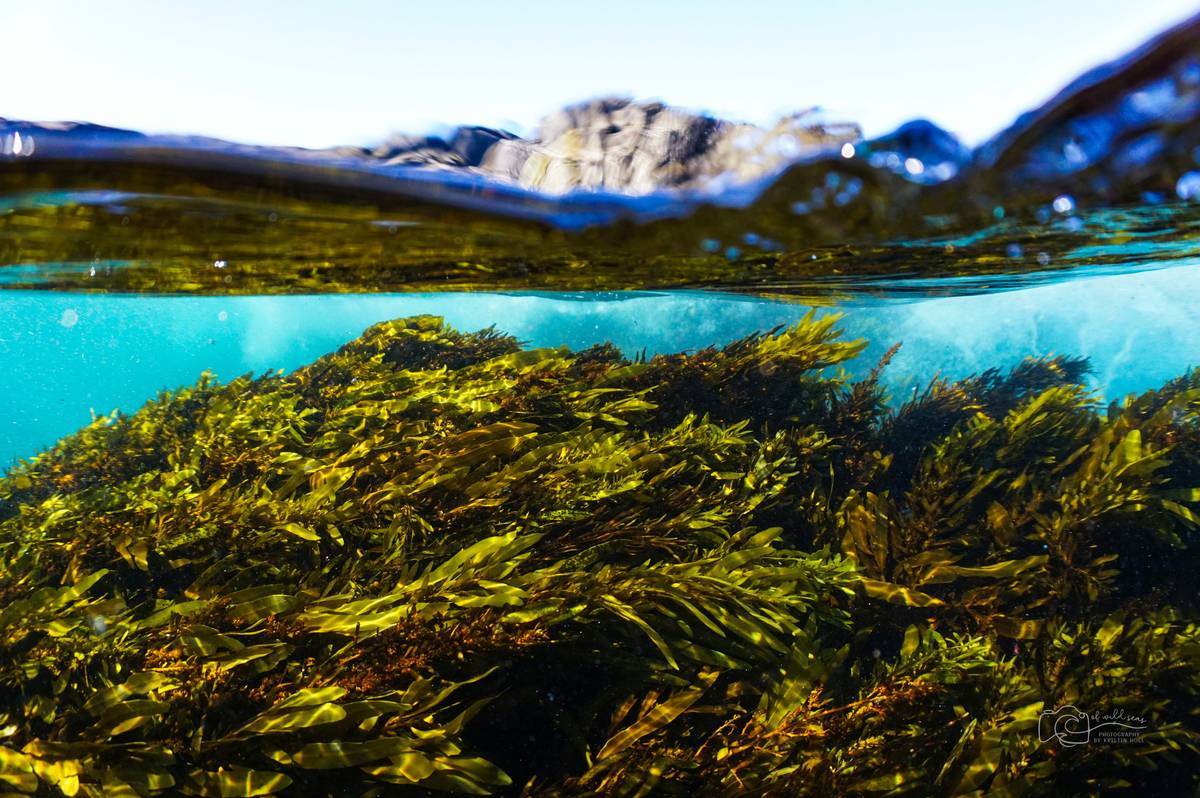
Yet here’s the catch: the term “organic seaweed” is often used loosely. I once assumed any seaweed labeled “natural” was safe—until my homemade toner triggered a week-long flare-up. The issue? Unverified sourcing and lack of purification. Wild seaweed can absorb heavy metals like arsenic or cadmium from polluted waters, making rigorous testing non-negotiable. That’s why reputable brands work with certified sustainable harvesters and use purified extracts—not raw biomass.
How to Safely Use Organic Seaweed in Your Routine
Step 1: Verify the Source and Species
Look for products specifying the exact seaweed type—such as *Laminaria digitata* (kelp) or *Chondrus crispus* (Irish moss)—and confirm harvesting from clean, monitored zones. Brands transparent about origin often share this on their About Us page.
Step 2: Choose Extract-Based Formulas Over Raw Powders
Raw seaweed powders may contain residual salts, microbes, or pollutants. Opt for water- or glycerin-based extracts that undergo filtration and standardization.
Step 3: Patch Test Religiously
Apply a dime-sized amount behind your ear or on your inner arm. Wait 48 hours. Even natural ingredients can trigger reactions in sensitive individuals.
Best Practices for Maximizing Benefits
- Pair with humectants: Seaweed’s minerals boost hyaluronic acid absorption—layer it under a hydrating serum.
- Avoid combining with high-percentage acids: This can destabilize the formula and irritate skin. A terrible tip I once followed? Mixing seaweed gel with 10% glycolic acid “for extra glow.” Spoiler: It stung like fire.
- Use consistently for 4–6 weeks: Marine actives work cumulatively. Don’t expect overnight miracles.
- Check for certifications: Look for USDA Organic, COSMOS, or Ecocert seals to ensure purity and sustainability.
Real Results from Clinical and Consumer Use
A 2021 double-blind study published in the Journal of Cosmetic Dermatology found that participants using a cream with 3% brown seaweed extract showed a 22% improvement in skin hydration and a 17% increase in elasticity after 28 days. Consumer reviews echo this: on sites like Paula’s Choice and Credo Beauty, users report calmer, plumper skin—especially those with rosacea or eczema.
At Velcora, we’ve seen firsthand how standardized seaweed underwater plants transform formulations. Our clients frequently mention reduced redness and faster recovery from environmental stress. That said, results hinge on quality control—a reason we never compromise on lab verification. If you’re curious about our standards, feel free to reach out directly.
Frequently Asked Questions
Are seaweed underwater plants good for acne-prone skin?
Yes—many species have antimicrobial and anti-inflammatory properties. However, avoid oil-based seaweed products if you’re highly acne-prone; opt for water-based gels instead.
Can I eat the same seaweed I use in skincare?
Not necessarily. Skincare-grade seaweed may be processed differently than food-grade. Always check labeling. For nutritional use, refer to FDA guidelines on edible seaweed safety.
How often should I use seaweed-based products?
Most are safe for daily use. Start with every other day if you have sensitive skin, then gradually increase.
Is “organic seaweed” regulated?
In the U.S., yes—if labeled USDA Organic. It must meet strict cultivation, harvesting, and processing standards. Without certification, “organic” is just marketing speak.
Do seaweed underwater plants expire quickly?
Pure extracts in airless packaging last 12–24 months. Once opened, use within 6 months for peak efficacy.
Can seaweed replace hyaluronic acid?
No—but it complements it beautifully. Seaweed enhances moisture retention while delivering minerals; hyaluronic acid draws water into the skin. They’re a powerhouse duo.
Bottom line: seaweed underwater plants aren’t just a trend—they’re a time-tested, ocean-given gift to skin health. But like any potent ingredient, respect, sourcing, and formulation make all the difference. Ready to explore clean, effective marine skincare? We’d love to hear from you—contact us anytime. And remember: your data stays private; read our full Privacy Policy for peace of mind.
Final thought:
Beneath the waves, wisdom grows—
Not in hype, but in slow, deep flows.